
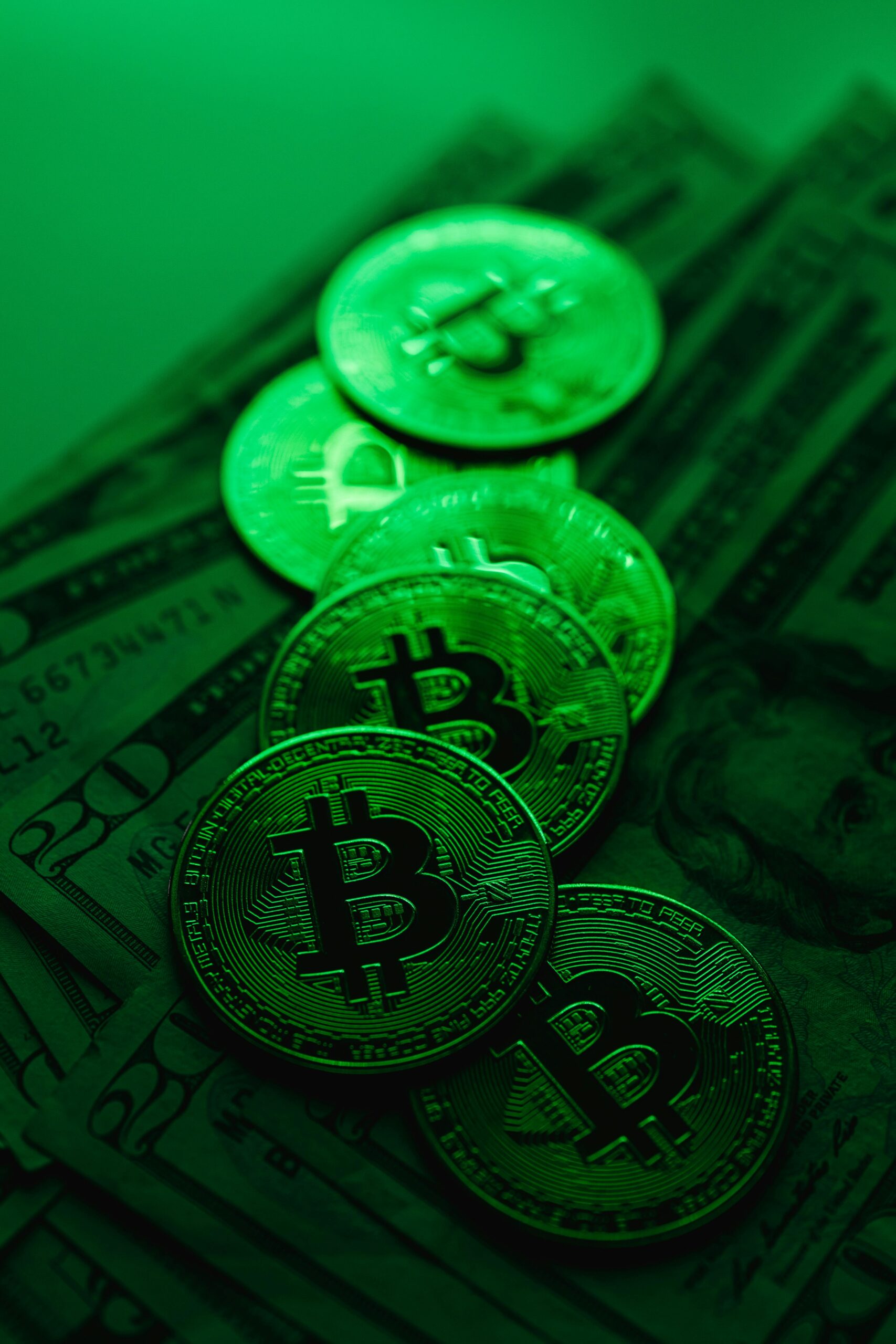
Cryptocurrency has become increasingly popular around the world. Millions of people are exploring digital assets such as Bitcoin and Ethereum as part of the growing digital economy.
However, buying cryptocurrency safely requires knowledge, research, and proper security practices. With scams and cyber threats becoming more sophisticated, beginners should understand how to protect themselves before making any purchases.
This guide explains how to buy cryptocurrency safely and avoid common mistakes.
Table of Contents
- What Is Cryptocurrency?
- Why Safety Matters When Buying Crypto
- Step-by-Step Guide to Buying Cryptocurrency
- Choosing a Reputable Crypto Exchange
- Verifying Your Account
- Funding Your Account
- Selecting a Cryptocurrency
- Storing Cryptocurrency Safely
- Common Mistakes to Avoid
- Cryptocurrency Security Tips
- Conclusion
- Frequently Asked Questions
What Is Cryptocurrency?
Cryptocurrency is a digital asset that uses blockchain technology to record and verify transactions. Unlike traditional currencies, cryptocurrencies operate on decentralized networks.
Popular cryptocurrencies include:
- Bitcoin (BTC)
- Ethereum (ETH)
- Solana (SOL)
- Litecoin (LTC)
For educational information about cryptocurrencies and blockchain technology, visit Coinbase Learn, Investopedia, and Bitcoin.org.
Why Safety Matters When Buying Crypto
The cryptocurrency market offers opportunities, but it also attracts scammers and cybercriminals.
Buying cryptocurrency safely can help you:
- Protect your funds
- Avoid fraud
- Reduce security risks
- Make informed financial decisions
Taking security seriously from the beginning is essential.
Step 1: Choose a Reputable Cryptocurrency Exchange
A cryptocurrency exchange is a platform where users can buy, sell, and store digital assets.
When evaluating an exchange, consider:
- Security features
- Regulatory compliance
- Customer support
- Educational resources
- Transparent fee structures
Research the platform thoroughly before creating an account.
Step 2: Verify Your Identity
Most reputable exchanges require identity verification.
This process may include:
- Government-issued identification
- Address verification
- Email confirmation
Verification helps exchanges comply with regulations and improve security.
Step 3: Secure Your Account
Before depositing money, strengthen your account security.
Important security measures include:
Create a Strong Password
Use a unique password that combines:
- Uppercase letters
- Lowercase letters
- Numbers
- Symbols
Enable Two-Factor Authentication (2FA)
Two-factor authentication provides an additional layer of protection.
Many security experts consider 2FA one of the most important safeguards for online accounts.
Step 4: Fund Your Account
Most exchanges offer several funding methods:
- Bank transfers
- Debit cards
- Credit cards
- Other payment methods
Review fees and processing times before selecting a funding option.
Step 5: Research Before Buying
Never purchase cryptocurrency simply because it is trending on social media.
Before buying, learn about:
- The project’s purpose
- Development team
- Technology
- Risks
- Market history
Educational resources from Investopedia and Ethereum.org can help beginners understand blockchain concepts.
Step 6: Make Your Purchase
After researching, you can choose the cryptocurrency you wish to buy.
Many beginners start with well-known cryptocurrencies because educational resources and market information are widely available.
Remember that cryptocurrency prices can be highly volatile.
Step 7: Store Cryptocurrency Safely
Storage security is extremely important.
Exchange Wallets
Many exchanges provide built-in wallets.
While convenient, users should understand the platform’s security policies.
Hardware Wallets
Hardware wallets store cryptocurrency offline and are often considered more secure for long-term storage.
Always research wallet options before making decisions.
Common Mistakes to Avoid
Following Social Media Hype
Not all online recommendations are reliable.
Sharing Private Keys
Never share private keys or recovery phrases with anyone.
Ignoring Security Features
Use available security tools such as two-factor authentication.
Investing Without Understanding the Risks
Education should come before participation.
Cryptocurrency Security Tips
Keep Software Updated
Updates often include important security improvements.
Verify Website Addresses
Always confirm that you are using the official website.
Beware of Scams
Be cautious of messages promising guaranteed profits or free cryptocurrency.
Continue Learning
The cryptocurrency industry changes rapidly, making ongoing education essential.
Consumer protection information is available through the Consumer Financial Protection Bureau.
Conclusion
Buying cryptocurrency safely starts with education, research, and strong security habits. By choosing reputable platforms, securing your accounts, understanding the risks, and protecting your digital assets, you can significantly reduce the likelihood of problems.
Cryptocurrency is an evolving technology, and beginners should focus on learning rather than rushing into decisions. The more informed you are, the better prepared you will be to navigate the digital asset landscape responsibly.
Taking a careful and security-focused approach can help you build confidence while exploring the world of cryptocurrency.
Frequently Asked Questions (FAQs)
Is cryptocurrency safe to buy?
Cryptocurrency can be purchased safely when using reputable platforms and following strong security practices.
What is the safest way to store cryptocurrency?
Many users prefer hardware wallets for long-term storage because they keep assets offline.
Do I need to verify my identity to buy cryptocurrency?
Most regulated exchanges require identity verification to comply with legal requirements.
What is two-factor authentication?
Two-factor authentication adds an extra layer of account security by requiring a second verification step.
Should beginners buy cryptocurrency immediately?
Beginners should first learn about cryptocurrency, blockchain technology, and the associated risks.
Can cryptocurrency prices go down?
Yes. Cryptocurrency markets can be highly volatile, and prices may rise or fall significantly.
How can I avoid cryptocurrency scams?
Use reputable platforms, verify website addresses, avoid unrealistic promises, and never share private keys.
What is the most important rule for beginners?
Focus on education, research, and security before making any cryptocurrency-related decisions.
